Are Alcohol Hand Sanitisers Damaging Your Skin?
Frequent hand cleaning has become part of everyday life. While alcohol-based hand sanitisers are widely used to reduce germs, regular use may come with unwanted side effects for some people, particularly those with sensitive or already compromised skin.
Most hand sanitisers must contain at least 60% alcohol to effectively kill bacteria and viruses. While this high alcohol content is effective at disinfecting, it can also strip natural oils from the skin and disrupt the protective skin barrier when used repeatedly throughout the day.
Hypochlorous acid spray is increasingly used as a gentle, alcohol-free alternative to traditional hand sanitisers. While alcohol sanitiser works by rapidly killing bacteria, it can also dry and irritate the skin when used frequently. Hypochlorous acid (HOCl) works differently — helping reduce harmful microbes while remaining far gentler on the skin barrier.
How Alcohol Sanitisers Can Affect the Skin
Dermatologists have reported an increase in cases of irritated and damaged skin associated with frequent sanitiser use. Common issues linked to repeated exposure to alcohol-based sanitisers include:
- Dryness and dehydration of the skin
- Cracking or irritation
- Compromised skin barrier function
- Increased sensitivity to other products
- Difficulty retaining natural moisture
When the skin barrier becomes weakened, it may allow irritants or bacteria to penetrate more easily, potentially leading to further skin discomfort or inflammation.
Dermatologists Report Increased Dermatitis
According to dermatologist Dr Louise Reiche, who spoke with TVNZ1’s Seven Sharp, there has been a noticeable rise in dermatitis cases related to hand sanitiser use.
Dr Reiche notes that fragrance ingredients in some sanitising products are a common cause of irritation.
“Fragrance would be your commonest cause of problems on the hands.”
This means the combination of alcohol, fragrance, and frequent use can be particularly harsh for people with sensitive skin.
Why the Skin Barrier Matters
Skincare specialist Emma Coleman explains that healthy skin relies on a balanced barrier made up partly of lipids such as ceramides. These natural oils help maintain skin integrity and regulate permeability.
When the skin barrier becomes damaged or cracked, it can become highly reactive to products applied to the skin.
“If the skin barrier becomes compromised, the structure and permeability of the skin is put under stress. It can become extremely reactive to products being applied.”
This is why people experiencing dryness or irritation from sanitisers may find their skin becomes progressively more sensitive over time.
Additional Ingredients That May Cause Irritation
Some antibacterial gels may also contain other additives such as:
- Artificial fragrances
- Preservatives
- Antibacterial compounds like triclosan
Dermatologists warn that repeated exposure to these ingredients may worsen dryness or irritation for some users.
Dr Ismat Nasiruddin, a dermatologist at Pulse Light Clinic in the UK, explains that alcohol is particularly drying for skin that is already sensitive or damaged.
“Alcohol is known to be a skin irritant and very drying for skin, especially sensitive, damaged or fragile skin such as eczema.”
When the skin barrier is weakened, it may struggle to retain moisture and maintain its natural balance of protective bacteria.
How to Protect Your Hands
If you frequently use alcohol-based sanitiser, dermatologists recommend supporting the skin barrier by:
- Applying moisturiser regularly
- Choosing fragrance-free products where possible
- Allowing time between sanitising and moisturising
- Avoiding overly harsh formulations
Dr Reiche suggests applying a moisturising cream about 30 minutes after sanitising to help counteract dryness.
An Alcohol-Free Alternative
For people looking for a gentler approach to hygiene, hypochlorous acid (HOCl) sprays are becoming an increasingly popular option.
Hypochlorous acid is a naturally occurring molecule produced by the human immune system to fight bacteria and pathogens. When used in skincare or hygiene products, it can help reduce harmful microbes without the drying effects of alcohol.
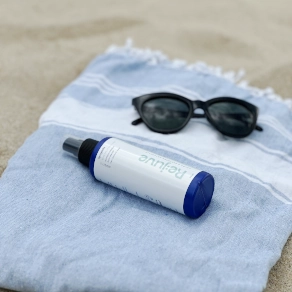
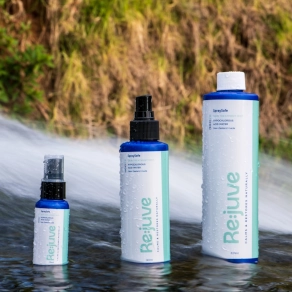
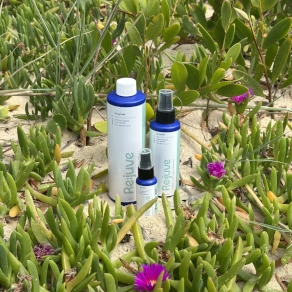
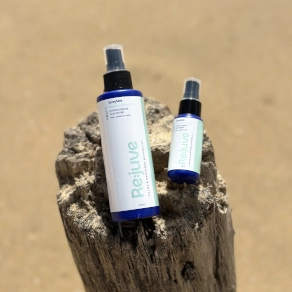
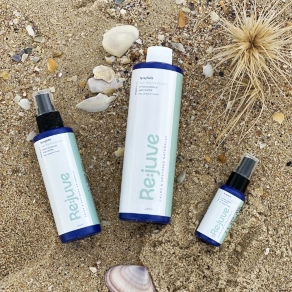
Products such as SpraySafe Re:juve Hypochlorous Acid Spray offer an alcohol-free alternative designed to be:
- gentle on sensitive skin
- non-irritating
- suitable for frequent daily use
Because HOCl solutions work differently from alcohol-based sanitisers, they can provide antimicrobial support while helping maintain the skin’s natural barrier.
Finding the Right Balance
Hand hygiene is essential, but protecting your skin is equally important. If frequent use of alcohol sanitisers is causing dryness or irritation, switching to gentler alternatives and maintaining good skin hydration may help keep your hands healthy while still supporting effective hygiene.
Learn more about how hypochlorous acid works to support skin hygiene and where hypochlorous acid works for answers to common questions.
Visit our hypochlorous acid FAQ for answers to common questions.