pH vs PPM in Hypochlorous Acid: Why Both Matter
When it comes to hypochlorous acid (HOCl), PPM is usually the number that gets all the attention.
70ppm. 100ppm. 150ppm. 200ppm.
The higher number can sound like a stronger or better product.
But there is another number that is just as important when it comes to understanding what is actually happening in an HOCl solution: pH.
PPM tells you how much available chlorine is in the solution. pH tells you which form that chlorine is predominantly in.
And when you’re talking about hypochlorous acid, that distinction matters.
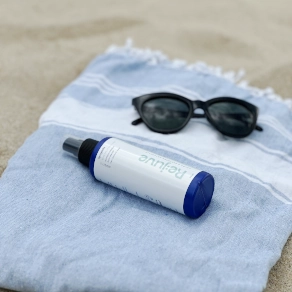
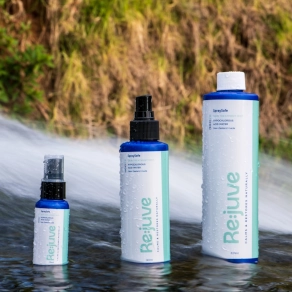
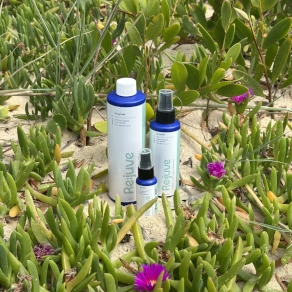
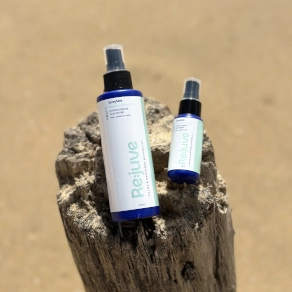
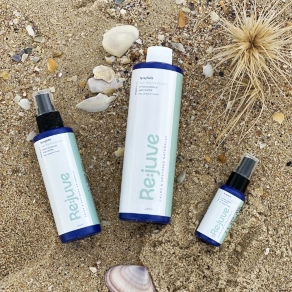
Our Re:juve product for example is 70ppm at a pH of 5 to 6.5
What does PPM actually tell you?
PPM stands for parts per million and is commonly used to describe the concentration of available chlorine in an HOCl solution.
For example, a product might contain 70ppm of free available chlorine.
But that number alone doesn’t tell you how much of that chlorine is actually present as hypochlorous acid (HOCl).
This is where pH comes in.
What does pH have to do with HOCl?
In an aqueous solution, chlorine exists primarily in two forms:
- Hypochlorous acid (HOCl)
- Hypochlorite ion (OCl⁻)
These two forms exist in equilibrium, and the balance between them is strongly affected by pH.
At a lower pH, a much greater proportion of the available chlorine is present as HOCl.
As the pH rises, the balance shifts increasingly towards hypochlorite (OCl⁻).
This is why two products could theoretically contain the same amount of available chlorine in PPM, but have very different proportions of that chlorine present as HOCl.
The HOCl vs OCl⁻ graph tells the story
The graph below shows approximately how the balance between HOCl and hypochlorite changes as pH increases.
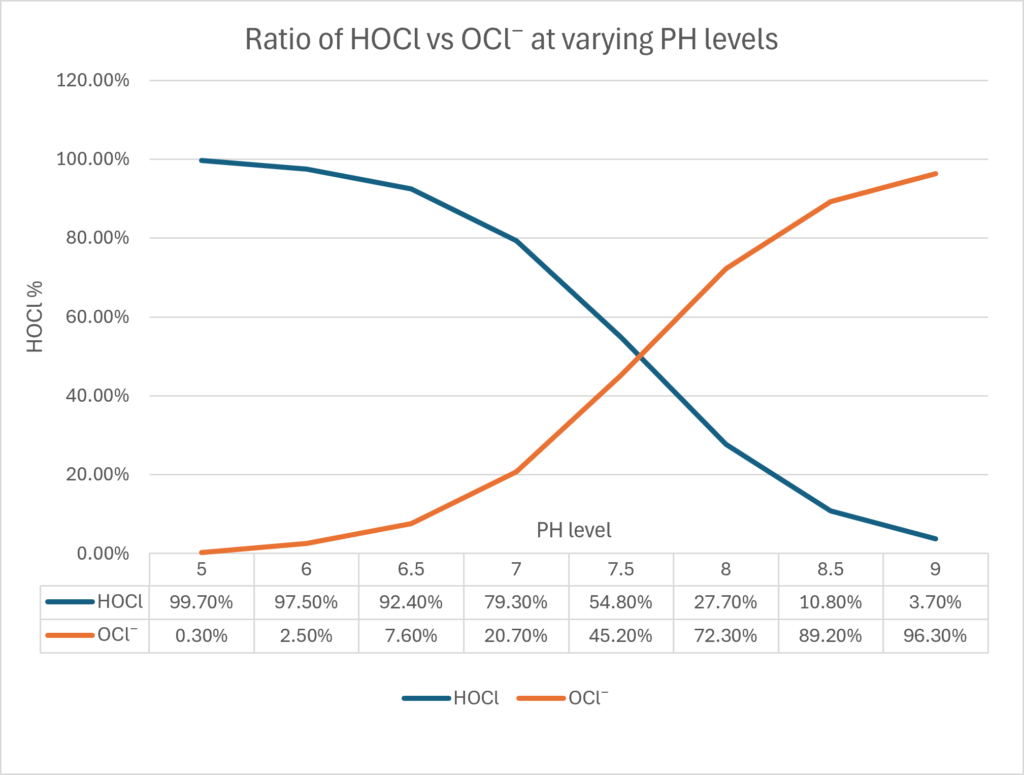
At around pH 5–6, the vast majority of the available chlorine is present as HOCl.
As the pH approaches 7.5, the balance changes significantly.
By pH 8.5, only a small proportion remains as HOCl, with the majority existing as hypochlorite.
This is why pH isn’t just another number on a specification sheet. It directly affects the chemistry of the solution.
So is lower pH always better?
Not necessarily.
This is where things get a little more complicated.
The goal isn’t simply to make the pH as low as possible. An HOCl product needs to be manufactured and controlled within an appropriate pH range, with the formulation, concentration, stability and intended use all taken into consideration.
This is also why looking at one number in isolation can be misleading.
A product claiming 200ppm might initially sound more impressive than one claiming 70ppm.
But without knowing the pH, how the PPM was measured, the stability of the solution and how much of that available chlorine is actually present as HOCl, the PPM number doesn’t tell you the whole story.
PPM and pH are not interchangeable
This is an important distinction.
PPM and pH measure completely different things.
PPM is a concentration measurement.
pH is a measurement of acidity/alkalinity.
Changing the pH doesn’t simply increase or decrease the total amount of available chlorine. Instead, it changes the balance between the different chlorine species within the solution.
Think of it this way:
PPM tells you how much is there.
pH helps tell you what form it is in.
You need both pieces of information to properly understand an HOCl solution.
Why this matters for skincare
When you’re choosing an HOCl product for everyday skincare, looking at the biggest PPM number isn’t necessarily the best way to compare products.
A quality HOCl product should be about more than concentration.
You should also be looking at things such as:
- pH
- free available chlorine
- the proportion of chlorine present as HOCl
- stability
- manufacturing date
- shelf life
- packaging
- batch testing
- manufacturing quality and consistency
This is particularly important because an HOCl product isn’t simply a bottle of “PPM”.
The chemistry behind the solution matters.
The bottom line
If you’re comparing hypochlorous acid products, don’t get caught up in PPM alone.
A higher PPM doesn’t automatically mean a better product, just as a lower PPM doesn’t automatically mean a better product.
PPM tells you the concentration. pH affects the balance between HOCl and hypochlorite.
Understanding both gives you a much better picture of what you’re actually putting on your skin.
At SpraySafe Australia, we don’t manufacture Re around chasing the highest PPM number we can put on a label.
We focus on producing a consistent, stable and thoroughly tested HOCl product designed for everyday skincare.
Because when it comes to hypochlorous acid, the biggest number isn’t necessarily the most important number.
FAQs about pH vs PPM in Hypochlorous Acid
What does PPM mean in hypochlorous acid?
PPM stands for parts per million and is used to describe the concentration of available chlorine in an HOCl solution. While PPM is useful for understanding concentration, it doesn’t tell you the whole story about an HOCl product. Factors such as pH, stability and the proportion of chlorine present as HOCl also matter.
What is the ideal pH for hypochlorous acid?
There isn’t one universal pH that is ideal for every HOCl application. pH affects the balance between hypochlorous acid (HOCl) and hypochlorite (OCl⁻), with lower pH generally favouring a greater proportion of HOCl. The appropriate pH depends on the formulation, concentration, stability and intended use of the product.
Does higher PPM mean stronger hypochlorous acid?
Not necessarily. A higher PPM means a higher concentration of available chlorine, but PPM alone doesn’t tell you how much of that chlorine is present as HOCl or whether the product is stable and suitable for its intended use. When comparing HOCl products, it’s worth looking beyond the PPM number.
Is pH more important than PPM in hypochlorous acid?
Neither number should really be considered in isolation. PPM tells you about concentration, while pH affects the balance between HOCl and hypochlorite. Looking at both, along with stability and testing information, gives you a much better understanding of an HOCl product.
Why does pH matter when choosing an HOCl skincare product?
pH matters because it influences which chlorine species are present in the solution. At an appropriate pH, a greater proportion of the available chlorine can exist as HOCl. This is one reason why simply comparing the PPM printed on different HOCl products doesn’t necessarily give you a meaningful comparison of the products themselves.
Learn More About Hypochlorous Acid
- Shop our range of Hypochlorous Acid Skin Sprays
- Read our Hypochlorous Acid Spray FAQ
- Learn how to use HOCl spray for your skin