Is Higher ppm Hypochlorous Acid Better? Not Necessarily.
When it comes to hypochlorous acid (HOCl), it’s tempting to think that a higher ppm automatically means a more powerful and effective product.
But HOCl chemistry isn’t quite that simple.
ppm is only part of the story
PPM tells you the concentration of available chlorine in the solution. But what really matters for antimicrobial performance is how much of that chlorine is present as active hypochlorous acid (HOCl).
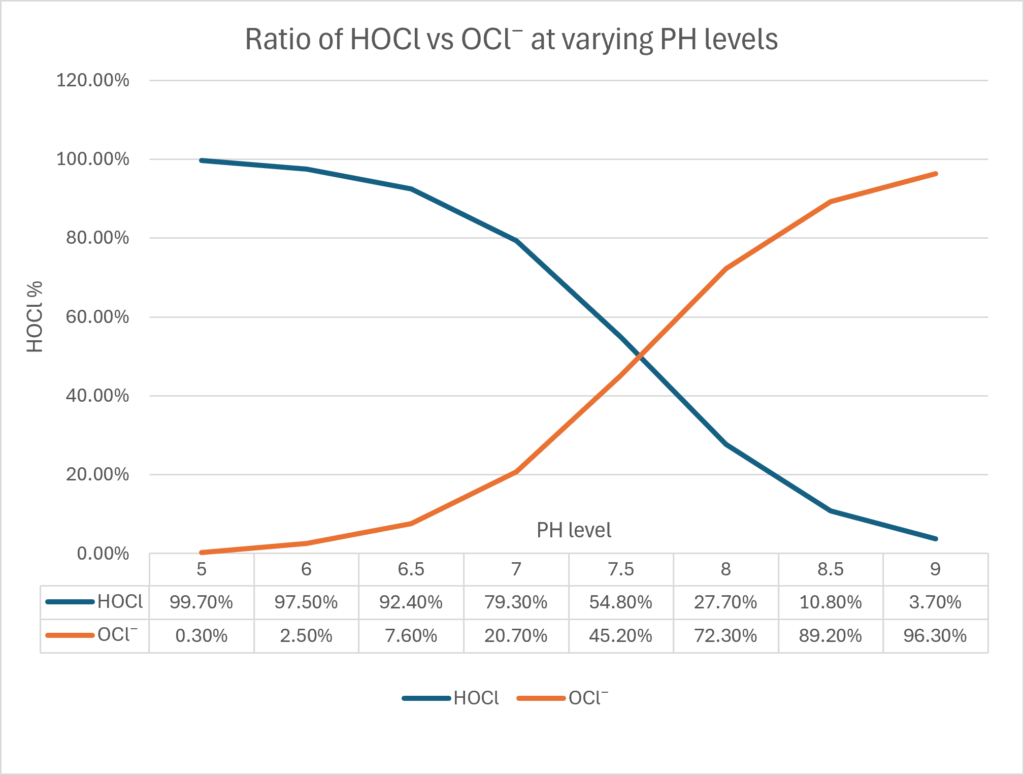
HOCl exists in equilibrium with hypochlorite (OCl⁻), and the balance between the two is strongly influenced by pH.
At the right pH, a much greater proportion remains in the active HOCl form. As the pH changes, more of the available chlorine shifts towards hypochlorite, which is significantly less effective as an antimicrobial agent.
So a bigger number isn’t necessarily a better product
Imagine two HOCl products:
Product A: Higher ppm, but poor pH stability.
Product B: Lower ppm, but carefully formulated to maintain a stable pH and a high proportion of active HOCl.
Which one will perform better?
You can’t answer that question simply by looking at the ppm number.
That’s why we believe consumers should look beyond the headline concentration and ask:
What is the pH? How stable is the formulation? And how does it perform over time?
Why we chose 70 ppm for Re:juve
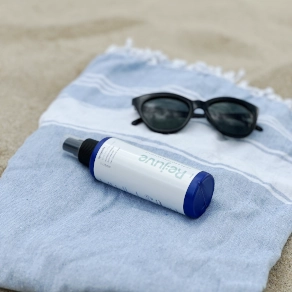
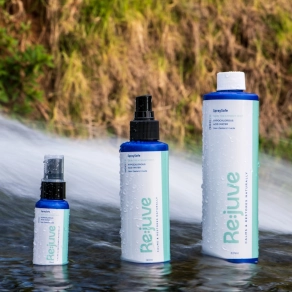
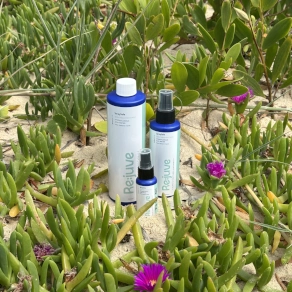
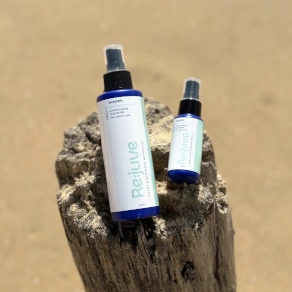
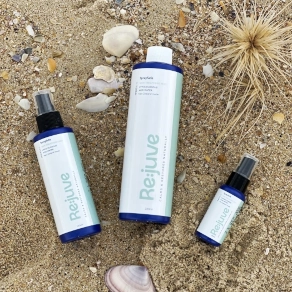
Re:juve Hypochlous Acid has been specifically formulated for use on skin, with 70 ppm HOCl and a pH of 5 to 6.5.
Rather than simply pushing the ppm higher, our focus is on creating a balanced formulation that is effective while remaining gentle enough for regular skincare use.
Because with HOCl, more isn’t automatically better.
The right chemistry matters more than the biggest number on the label.
Is higher PPM HOCl Better? FAQs
Does a higher ppm mean hypochlorous acid is more effective?
Not necessarily. PPM measures the concentration of available chlorine, but it doesn’t tell you the proportion present as active hypochlorous acid (HOCl). Factors such as pH, formulation stability and how the product performs over time also matter when assessing an HOCl product.
Why is pH important in hypochlorous acid products?
pH influences the balance between hypochlorous acid (HOCl) and hypochlorite (OCl⁻) in a solution. A suitable pH helps maintain a greater proportion of chlorine in the HOCl form, which is generally more effective as an antimicrobial agent. This is why pH is an important consideration alongside ppm.
What is the difference between HOCl and hypochlorite?
Hypochlorous acid (HOCl) and hypochlorite (OCl⁻) are related forms of available chlorine, but they have different chemical properties. Their proportions in a solution depend largely on pH. Understanding this distinction helps explain why two products with similar or different ppm levels may not perform in the same way.
Is 70 ppm hypochlorous acid enough for everyday skincare?
A higher concentration isn’t automatically necessary for a skincare product. Re is formulated with 70 ppm HOCl and a pH of 5–6.5, with a focus on balanced formulation and everyday skin care. Concentration alone, however, cannot establish a product’s effectiveness or suitability; formulation quality, stability and appropriate testing also matter.
What should I look for when choosing an HOCl skin spray?
Look beyond the ppm figure. Consider the product’s pH, formulation stability, manufacturing quality and whether the brand can provide clear information about its formulation and testing. These factors can help you make a more informed comparison than concentration alone.