Why Does HOCl Become Less Effective Over Time?
One of the most misunderstood things about hypochlorous acid is its shelf life.
You might assume that an HOCl product simply loses its ppm as it gets older.
But the story is more complicated.
It’s the chemistry that changes
HOCl and hypochlorite exist in a chemical equilibrium that is influenced by pH.
As a formulation ages or is exposed to conditions such as heat and light, its chemistry can change. A rising pH can shift the balance away from the highly active HOCl form towards hypochlorite.
So the important question isn’t simply:
“How many ppm does it have?”
It’s:
“How much of that ppm is still in the active HOCl form?”
This is why storage matters
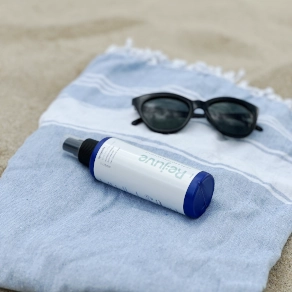
HOCl products should be protected from excessive heat, direct sunlight and unnecessary exposure to air.
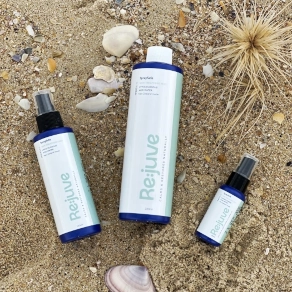
For example, SpraySafe recommends storing Re:juve below 25°C and away from direct sunlight.
And it’s why manufacturing matters
At SpraySafe, we don’t believe that making a product and leaving it sitting in storage for long periods is the best approach.
Our technology is designed to produce a highly stable formulation, and we manufacture fresh batches regularly rather than mass-producing huge volumes for long-term storage.
Freshness + stability = consistent performance.
That’s an important difference when you’re relying on the chemistry of HOCl to do the job.
Why Does Hypochlorous Acid Become Less Effective Over Time? FAQs
Does hypochlorous acid lose its ppm over time?
Not necessarily in a straightforward way. As an HOCl formulation ages, its chemistry can change, including the balance between hypochlorous acid (HOCl) and hypochlorite (OCl⁻). This means the ppm value alone may not tell the whole story about how much active HOCl remains.
Why is pH important for the shelf life of HOCl?
pH influences the balance between HOCl and hypochlorite. If the pH changes during storage, the proportion present as HOCl can also change. Monitoring pH alongside other quality measures can therefore help provide a more complete picture of a formulation’s stability.
How should I store hypochlorous acid spray?
Store your HOCl spray according to the manufacturer’s instructions. For Re:juve, SpraySafe recommends storage below 25°C and away from direct sunlight. Avoid excessive heat and unnecessary exposure to air to help maintain the formulation’s quality.
Does a higher ppm guarantee a longer shelf life?
No. A higher starting ppm does not automatically mean a product will remain stable for longer. Shelf life depends on factors including formulation, pH, packaging and storage conditions. Stability testing is important for understanding how a product holds up over time.
Why does SpraySafe manufacture fresh batches regularly?
SpraySafe manufactures fresh batches of Re:juve regularly rather than relying on large volumes held in storage for extended periods. Combined with formulation technology designed for stability, this approach supports freshness and consistency. Proper storage remains important throughout the product’s shelf life.
Learn More About Hypochlorous Acid Chemistry
- Is Higher ppm Hypochlorous Acid Better? Not Necessarily.
- The pH Secret Behind Hypochlorous Acid
- Why Is Re 70 ppm When Some HOCl Products Are Much Higher?