Why Is Re:juve 70 ppm When Some Hypochlorous Acid Products Are Much Higher?
It’s a question we’re increasingly hearing:
“Why is Re:juve only 70 ppm when other products have a higher ppm?”
It’s a fair question.
And the answer is simple:
Because higher ppm isn’t automatically better.
With HOCl, antimicrobial performance depends on several factors – not concentration alone.
The pH, proportion of active HOCl, formulation stability, contact time and intended application all matter. Scientific literature supports the importance of pH and formulation stability in determining HOCl antimicrobial activity.
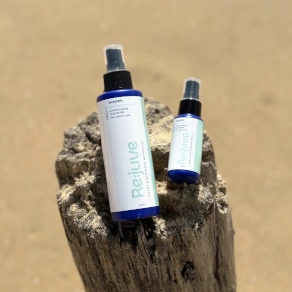
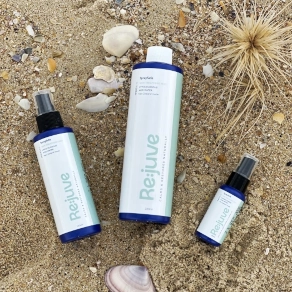
Re:juve has been designed specifically for skin
Re:juve contains 70 ppm HOCl at pH 5–6.5.
It was developed as a skincare-specific formulation for application to facial and larger areas of skin, with a fine mist designed for everyday use.
So rather than asking:
“What’s the highest ppm?”
we believe the better question is:
“Is this the right formulation for the job?”
A formulation designed for skin should balance antimicrobial effectiveness with tolerability and stability.
Our philosophy
We aren’t trying to win a race to the highest number. We could make a much stronger product if we chose to.
We’re trying to make a stable, effective and reliable HOCl formulation that people can use confidently as part of their skincare routine.
70 ppm isn’t a compromise.
It’s the concentration we’ve chosen for Re:juve as part of a carefully controlled formulation designed for everyday skincare.
Don’t just compare the ppm. Compare the chemistry.
Why Is Re:juve 70 ppm? FAQs
Is 70 ppm hypochlorous acid enough for skincare?
Concentration is only one factor to consider when evaluating an HOCl skincare product. The pH, proportion of active HOCl, formulation stability and intended use also matter. Re:juve is formulated at 70 ppm and pH 5–6.5 as a skincare-specific mist designed for everyday use.
Is a higher ppm HOCl spray more effective?
Not necessarily. A higher ppm does not automatically mean better performance. The formulation’s pH, the proportion of HOCl present, stability and intended application all influence how a product performs. It’s important to consider the complete formulation rather than concentration alone.
What does pH have to do with HOCl effectiveness?
pH influences the balance between hypochlorous acid (HOCl) and hypochlorite (OCl⁻). These are different forms of the same chemical system, and their proportions can affect antimicrobial activity. That’s why pH is an important consideration when comparing HOCl products.
What is the difference between Re at 70 ppm and a higher-concentration HOCl spray?
The main difference is the concentration of available chlorine stated for each product, but that number doesn’t tell you everything about its formulation. Re:juve contains 70 ppm HOCl at pH 5–6.5 and was developed specifically for skincare. When comparing products, consider their intended use, pH, stability and supporting quality information – not just their ppm.
What should I look for when choosing an HOCl skincare spray?
Look beyond the concentration on the label. Consider whether the product is specifically formulated for skin, whether its pH and stability are appropriately controlled, how it should be stored, and whether the manufacturer provides clear product and quality information. These details can help you make a more informed comparison.
Learn More About Re:juve and Hypochlorous Acid Chemistry in these articles
- Is Higher ppm Hypochlorous Acid Better? Not Necessarily.
- The pH Secret Behind Hypochlorous Acid
- Why Does Hypochlorous Acid Become Less Effective Over Time?